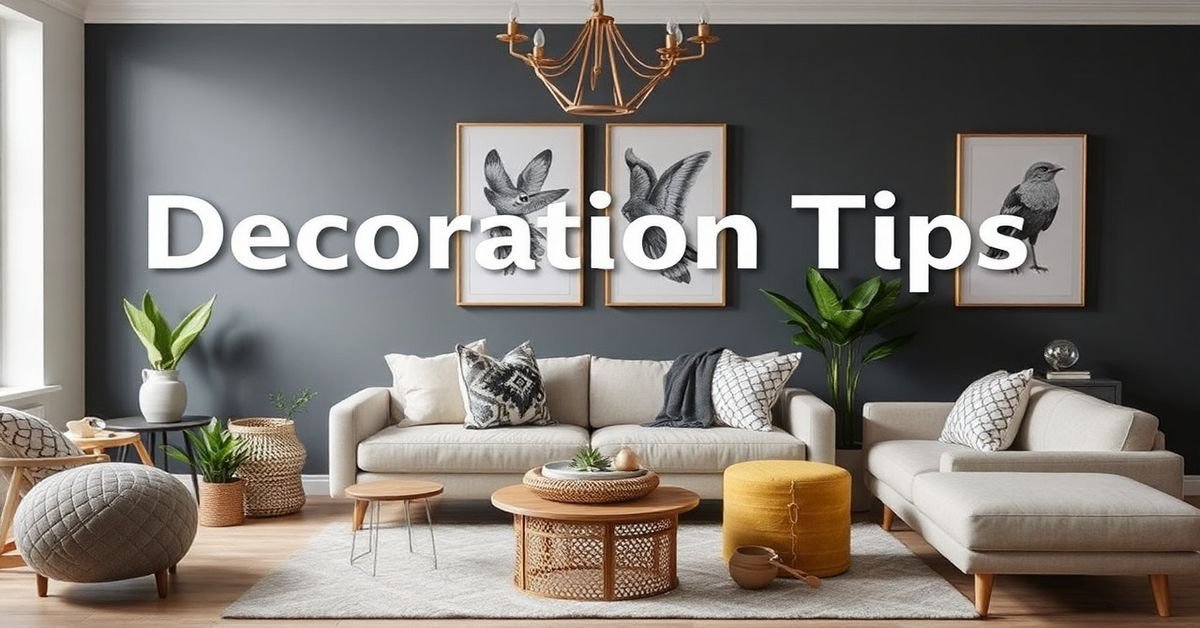
Imagine walking into a friend’s living room that looks straight out of a design magazine—cozy, stylish, and effortlessly put together. You ask for their secret, and they casually mention they followed decoration tips decoradhouse from decoratoradvice. But what if those very tips are based on outdated assumptions, misleading trends, or flat-out myths? The truth is, many widely shared home decor strategies—especially those branded as ‘expert-approved’—are often more about aesthetics than functionality, sustainability, or personal expression. In this article, we’ll dismantle the misconceptions surrounding decoration tips decoradhouse from decoratoradvice and reveal what actually works in real homes, not just staged photos.
The Myth of One-Size-Fits-All Decor: Why Personalization Beats Trends
One of the biggest fallacies in modern interior design is the belief that following a set of universal rules leads to a beautiful home. Many decoration tips decoradhouse from decoratoradvice promote rigid formulas—like ‘always use a neutral base’ or ‘stick to three colors max’—that ignore individual lifestyles, cultural backgrounds, and emotional needs. The reality? A home should reflect the people who live in it, not a generic Pinterest board.
For example, a minimalist Scandinavian look might work for a busy professional who values calm, but it could feel cold and unwelcoming to a family with young children who thrive on color and texture. Instead of blindly applying trends, consider your daily routines, favorite hobbies, and emotional responses to different environments. Do you feel energized in bright spaces or soothed by soft lighting? These personal cues are far more reliable than any checklist.
- Audit your current space: What do you love? What drains you?
- Identify recurring themes in spaces you admire—not just the look, but how they make you feel
- Start small: Introduce one personalized element, like a gallery wall of meaningful photos or a favorite piece of art
True design wisdom lies in adaptation, not imitation. Avoid common home decor mistakes by prioritizing authenticity over aesthetics.
Color Psychology: Beyond the ‘Safe’ Neutrals
Another widespread claim in decoration tips decoradhouse from decoratoradvice is that neutral tones are the safest—and only—option for resale value and timeless appeal. While beige and gray have dominated for years, this advice overlooks the powerful role of color in mood, productivity, and even physical health. Research from the National Institutes of Health (NIH) shows that color can influence stress levels, sleep quality, and cognitive performance.
Instead of defaulting to safe neutrals, consider how color serves your space. A deep blue bedroom can promote relaxation, while a sunny yellow kitchen may boost morning energy. Even in small doses, accent colors in textiles, artwork, or furniture can transform a room’s atmosphere without overwhelming it.
- Use the 60-30-10 rule: 60% dominant color, 30% secondary, 10% accent
- Test paint samples at different times of day—natural light changes everything
- Incorporate color through removable elements like curtains, rugs, or throw pillows
Don’t fear bold choices. A well-placed pop of color can make a space feel alive, not chaotic.
Furniture Placement: Function Over Form
Many decoration tips decoradhouse from decoratoradvice emphasize symmetry and perfect alignment—chairs centered, coffee tables perfectly level, everything ‘Instagram-ready.’ But in real life, homes are lived-in spaces, not museum exhibits. Overly rigid layouts can make a room feel stiff and unwelcoming.
Functional furniture placement prioritizes flow, conversation, and daily use. For instance, in a small living room, floating a sofa away from the wall with a narrow console behind it can create visual depth and additional storage. Similarly, grouping seating in conversational clusters—rather than facing a TV—encourages connection.
Consider traffic patterns: Can people move comfortably from the kitchen to the dining area? Is there enough space to open doors or drawers? These practical concerns should guide your layout before aesthetic preferences.
- Use painter’s tape to map furniture arrangements on the floor
- Allow at least 30 inches of walking space between furniture pieces
- Anchor the room with a rug that fits under the front legs of seating
A beautiful home is one you can live in—not just photograph.
Lighting Layers: The Hidden Hero of Decor
One of the most overlooked aspects in many decoration tips decoradhouse from decoratoradvice is lighting. Relying solely on overhead lights creates flat, harsh environments. Instead, successful interiors use layered lighting: ambient (general), task (focused), and accent (decorative).
Ambient lighting sets the overall mood—think ceiling fixtures or chandeliers. Task lighting supports specific activities, like reading lamps or under-cabinet kitchen lights. Accent lighting highlights art, architectural features, or plants, adding depth and drama.
Smart lighting systems, like Philips Hue, allow you to adjust color temperature and brightness throughout the day, mimicking natural light cycles. This not only enhances comfort but can improve sleep and focus.
- Install dimmer switches to control intensity
- Use warm white bulbs (2700K–3000K) in living spaces
- Add wall sconces or floor lamps to reduce reliance on overhead lighting
Lighting isn’t just functional—it’s emotional. The right glow can turn a room from ordinary to extraordinary.
Sustainable Decor: Beauty with Integrity
Finally, the most damaging myth in modern decor is that style must come at the planet’s expense. Many decoration tips decoradhouse from decoratoradvice encourage fast furniture, seasonal trends, and disposable accessories—contributing to environmental waste. True design intelligence includes sustainability.
Opt for timeless pieces made from natural, renewable materials like solid wood, bamboo, or organic cotton. Secondhand and vintage furniture not only reduces waste but often comes with character and craftsmanship absent in mass-produced items. When shopping new, support brands with transparent, ethical practices.
Even small changes matter: Use low-VOC paints, choose energy-efficient lighting, and repurpose items creatively. A mason jar can become a chic vase; an old ladder, a rustic bookshelf.
- Repair instead of replace—learn basic upholstery or wood refinishing
- Donate or sell items you no longer need
- Invest in quality over quantity—fewer, better pieces last longer
Sustainable decor isn’t a trend—it’s the future. And it proves that beauty and responsibility can coexist.
By rethinking the conventional wisdom behind decoration tips decoradhouse from decoratoradvice, you can create a home that’s not only visually appealing but deeply personal, functional, and kind to the planet. Explore the latest interior design trends with a critical eye—and design on your own terms.