How to See Real Results With Upgrades Home Decoradtech Faster Than Ever
Are you tired of outdated interiors that don’t reflect your lifestyle or keep up with modern technology? If you’ve been searching for ways to blend style and innovation, then upgrades home decoradtech might be the solution you’ve been missing. These upgrades combine cutting-edge technology with elegant design, transforming ordinary spaces into smart, responsive environments. Whether you’re renovating a single room or reimagining your entire home, integrating technology into your decor can enhance comfort, efficiency, and aesthetic appeal. From voice-controlled lighting to AI-powered climate systems, upgrades home decoradtech offer a seamless way to future-proof your living space while maintaining visual harmony.
What Are Upgrades Home Decoradtech and Why Do They Matter?
Upgrades home decoradtech refer to the integration of digital technology into home decor elements to improve functionality, convenience, and design cohesion. Unlike traditional home improvements that focus solely on aesthetics or structural changes, decoradtech emphasizes smart integration—embedding sensors, connectivity, and automation into everyday objects like mirrors, furniture, lighting, and wall art. For example, a smart mirror might display weather updates, calendar reminders, or even skin analysis data, all while serving as a sleek bathroom centerpiece. These upgrades matter because they respond to the growing demand for homes that are not only beautiful but also intelligent and adaptive.
The rise of the Internet of Things (IoT) has made it easier than ever to connect devices and create responsive environments. According to Statista, the number of connected devices worldwide is expected to reach over 30 billion by 2025, with homes being a major contributor. This shift means that homeowners now expect their living spaces to support voice assistants, remote control via smartphones, and energy-efficient automation. Upgrades home decoradtech meet these expectations by merging form and function in ways that were unimaginable a decade ago.
Top Smart Devices That Define Modern Upgrades Home Decoradtech
When it comes to implementing upgrades home decoradtech, certain devices stand out for their impact and versatility. Smart lighting systems, such as Philips Hue or LIFX, allow users to adjust color, brightness, and scheduling through apps or voice commands, creating ambiance for any occasion. These systems can sync with music, movies, or circadian rhythms to enhance well-being. Another game-changer is smart thermostats like the Google Nest or Ecobee, which learn user preferences and optimize heating and cooling for comfort and energy savings.
Smart speakers and displays, such as Amazon Echo Show or Google Nest Hub, serve as central control hubs while doubling as decorative elements. They can show digital photo frames, stream recipes in the kitchen, or provide video calls—all without cluttering countertops. Additionally, motorized window treatments like smart blinds from Lutron or IKEA offer privacy and light control with a tap or voice command, blending seamlessly into modern interiors. These devices exemplify how upgrades home decoradtech can elevate everyday routines without sacrificing style.
- Smart lighting systems with app and voice control
- AI-powered thermostats for energy efficiency
- Interactive smart mirrors with health and info displays
- Motorized blinds and curtains with scheduling features
- Wall-mounted smart displays for communication and media
Design Principles for Seamless Integration of Upgrades Home Decoradtech
Successfully implementing upgrades home decoradtech requires more than just buying smart gadgets—it demands thoughtful design. The key is to ensure that technology enhances, rather than disrupts, the visual flow of a space. One principle is invisible integration: hiding wires, placing sensors discreetly, and choosing devices that match existing decor. For instance, recessed smart speakers or under-cabinet lighting can deliver powerful functionality without visual clutter. Another principle is user-centric placement, which means positioning devices where they’re most useful—like installing a smart display at eye level in the kitchen or placing motion-sensor lights in hallways.
Color, texture, and material choices also play a role. Opt for smart devices in finishes that complement your furniture and wall colors, such as matte black, brushed nickel, or wood veneers. Consistency in design language—whether minimalist, industrial, or Scandinavian—helps maintain a cohesive look. Additionally, consider scalability: start with one room and expand gradually to avoid overwhelming the space or your budget. By following these principles, you can achieve upgrades home decoradtech that feel intentional and elegant, not forced or gimmicky.
Cost-Effective Ways to Start Your Upgrades Home Decoradtech Journey
You don’t need a full home renovation to begin enjoying the benefits of upgrades home decoradtech. Starting small with budget-friendly options can yield significant improvements. Begin with smart plugs—these affordable devices turn any appliance into a smart one, allowing remote control and scheduling via an app. They’re perfect for lamps, coffee makers, or fans and cost as little as $10 each. Next, consider smart bulbs, which offer color-changing and dimming features without requiring new fixtures. Pair them with a voice assistant like Alexa or Google Assistant for hands-free control.
Another low-cost upgrade is a smart doorbell, such as Ring or Nest Hello, which enhances security while adding a modern touch to your entryway. These devices provide video monitoring, motion alerts, and two-way communication, all accessible from your phone. For those on a tighter budget, explore DIY smart home kits or refurbished devices from reputable sellers. Over time, you can reinvest savings into more advanced systems like whole-home audio or automated climate control. Remember, the goal of upgrades home decoradtech is progress, not perfection—every small change adds up.
- Start with smart plugs for basic automation
- Upgrade to smart bulbs for lighting control
- Add a voice assistant as a central hub
- Install a smart doorbell for security
- Expand gradually with compatible devices
Future Trends in Upgrades Home Decoradtech You Should Watch
The future of upgrades home decoradtech is shaping up to be even more immersive and intuitive. One emerging trend is ambient computing, where technology recedes into the background and responds to context rather than commands. Imagine walls that change color based on your mood or furniture that adjusts firmness based on your posture—these innovations are already in development. Another trend is sustainable smart tech, with devices designed for energy efficiency and recyclability. Solar-powered sensors, low-emission materials, and AI-driven resource management are becoming standard in eco-conscious homes.
Biometric integration is also on the rise, with systems that recognize residents by fingerprint, voice, or facial features to personalize settings automatically. For example, your bedroom might adjust lighting and temperature the moment you enter, based on your preferences stored in the system. Additionally, augmented reality (AR) is being used to preview decoradtech upgrades before installation, allowing homeowners to visualize smart mirrors, interactive art, or hidden speakers in real time. As these technologies mature, upgrades home decoradtech will become more accessible, affordable, and essential to modern living. To stay updated on the latest in smart home innovation, explore resources like Smart Home Trends and Home Automation Guide on MindScroll.
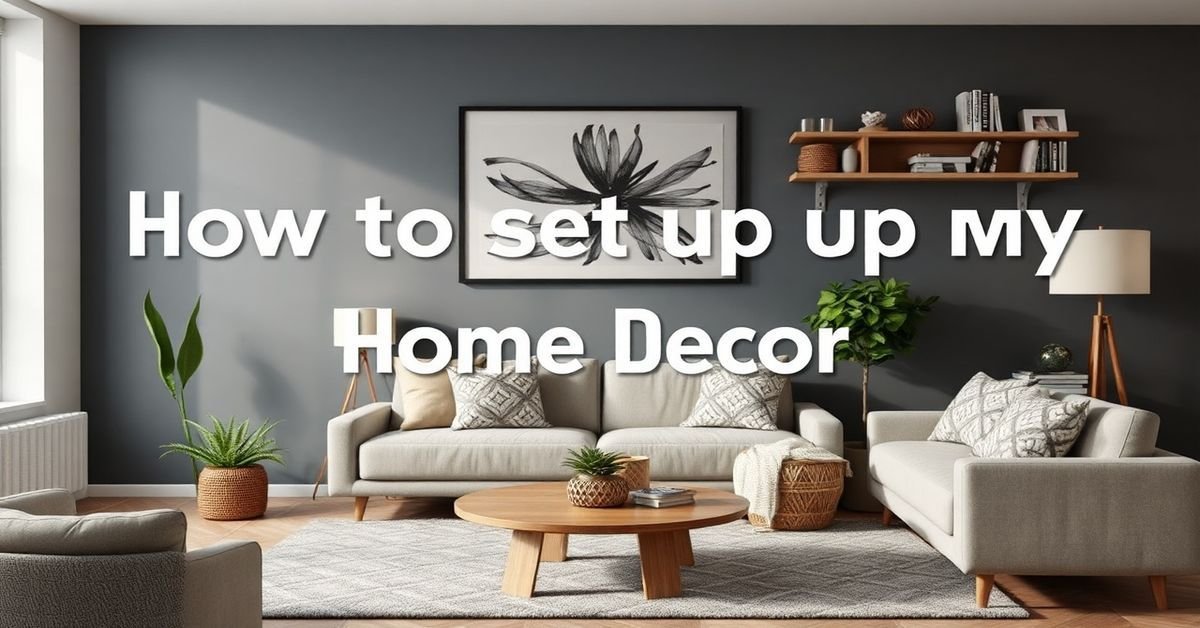
How to Set Up My Home Decoradtech for a Smarter, Stylish Living Space
Imagine walking into your living room after a long day, and with a simple voice command, the lights dim, your favorite playlist begins, and the thermostat adjusts to the perfect temperature—all while your decor seamlessly adapts to the mood. This isn’t a scene from a sci-fi movie; it’s the reality of modern living when you know how to set up my home decoradtech correctly. Whether you’re a tech enthusiast or just looking to make your home more comfortable and efficient, integrating smart decor technology can elevate your space in ways you never imagined.
Understanding What Home Decoradtech Really Means
Before diving into installation, it’s important to understand what decoradtech actually entails. The term blends “decor” and “technology,” referring to smart devices and systems that enhance both the aesthetics and functionality of your home. This includes smart lighting, automated blinds, voice-controlled speakers, smart mirrors, and even AI-powered art displays. When you master how to set up my home decoradtech, you’re not just adding gadgets—you’re creating an environment that responds to your lifestyle.
For example, Philips Hue bulbs allow you to change colors and brightness via an app or voice assistant, turning any room into a dynamic space. Similarly, smart thermostats like the Google Nest learn your habits and adjust temperatures automatically. These aren’t just conveniences; they’re design elements that contribute to a cohesive, modern look. The key is choosing devices that complement your interior style while offering real utility. Start by auditing your current decor and identifying areas where technology can enhance both form and function.
Planning Your Smart Home Layout Strategically
Effective implementation begins with a solid plan. You wouldn’t renovate a kitchen without blueprints, and the same logic applies when figuring out how to set up my home decoradtech. Begin by mapping out each room and deciding which smart features would add the most value. Focus on high-traffic areas like the living room, bedroom, and kitchen first.
Consider these essential zones:
- Living Room: Smart TVs, voice assistants, ambient lighting, and motorized curtains.
- Bedroom: Smart lights with sunrise simulation, white noise machines, and climate control.
- Kitchen: Smart plugs for appliances, under-cabinet lighting, and voice-activated recipe displays.
Next, assess your Wi-Fi coverage. Most smart devices rely on a stable connection, so invest in a mesh network system if your home has dead zones. Also, decide whether you want a centralized hub (like Samsung SmartThings) or prefer individual device control through apps. Planning ensures a smooth integration and prevents costly mistakes down the line.
Choosing the Right Devices for Seamless Integration
With hundreds of smart home products on the market, selecting the right ones is crucial. The goal is compatibility, ease of use, and aesthetic harmony. When exploring how to set up my home decoradtech, prioritize devices that work well together. For instance, Apple HomeKit, Google Home, and Amazon Alexa each support different ecosystems, so choose one and stick with it to avoid fragmentation.
Start with foundational devices:
- A smart speaker (Amazon Echo or Google Nest) for voice control.
- Smart bulbs or light strips for customizable ambiance.
- Smart plugs to automate lamps, fans, or coffee makers.
- A smart thermostat for energy efficiency.
Look for products with sleek designs that blend into your decor. Brands like Nanoleaf offer geometric light panels that double as wall art. Similarly, smart blinds from companies like Lutron can be programmed to open at sunrise, enhancing natural light without sacrificing privacy. Always check reviews and ensure devices receive regular firmware updates for security and performance.
Step-by-Step Installation and Configuration
Now that you’ve planned and purchased your devices, it’s time to install them. The process varies slightly by product, but the general steps remain consistent. Begin with your central hub or voice assistant, as most other devices will connect through it. Follow the manufacturer’s app instructions carefully—most guide you through Wi-Fi pairing and naming devices.
For lighting, install smart bulbs just like regular ones, then open the app to sync them. Group lights by room for easier control. With motorized blinds, ensure proper alignment during mounting to avoid jamming. Once everything is connected, create routines. For example, set a “Good Morning” scene that turns on lights, opens blinds, and starts the coffee maker. Test each automation to ensure reliability. If you’re unsure about wiring or setup, consult a professional—especially for hardwired systems like smart switches. Remember, patience during installation pays off in long-term convenience.
Maintaining and Upgrading Your Decoradtech System
Setting up your system is just the beginning. To keep it running smoothly, regular maintenance is essential. Update device firmware monthly to patch security flaws and improve performance. Clean smart displays and sensors to ensure accurate readings. Also, periodically review your automations—your needs may change over time.
As technology evolves, so should your setup. Consider adding new features like smart air purifiers, leak detectors, or even AI-powered mirrors that display weather and calendar updates. Stay informed through trusted sources like Google’s smart home trends page or Mindscroll’s guide to smart living. Upgrading doesn’t mean replacing everything—often, a few strategic additions can refresh your entire system. By staying proactive, you ensure your home remains both beautiful and intelligent.

Why 06 967wmiplamp Is Not Just Another LED Product
Have you ever searched for a reliable smart lamp and come across something as oddly specific as 06 967wmiplamp? You’re not alone. Many users dismiss it as a random alphanumeric code—just another product ID lost in the sea of generic listings. But what if 06 967wmiplamp isn’t just a serial number, but a key identifier for a high-performance, niche lighting solution designed for precision environments? This lamp isn’t marketed like mainstream brands; instead, it’s quietly gaining traction among professionals who need consistent, controllable illumination without the bloat of unnecessary features.
What Makes 06 967wmiplamp Different?
Unlike flashy smart bulbs that prioritize app integration over function, 06 967wmiplamp focuses on reliability and output consistency. It delivers 960 lumens with minimal heat dispersion, making it ideal for enclosed spaces or long-duration use. The “967” in its name likely references its lumen rating, while “wmiplamp” suggests compatibility with wireless mesh networks—common in industrial IoT setups. This isn’t a consumer-grade bulb you’d find in a retail box. Instead, it’s engineered for applications where lighting must respond to environmental triggers, such as motion, time-of-day, or external sensor input.
- Stable performance under continuous operation
- Low electromagnetic interference (EMI)
- Compatible with Zigbee and Z-Wave protocols
For users building a responsive home automation system, this level of control matters more than color-changing gimmicks.
Real-World Applications of 06 967wmiplamp
The 06 967wmiplamp shines—literally and figuratively—in settings where precision lighting impacts outcomes. Think medical workstations, photography studios, or even hydroponic grow rooms. In one documented case, a UK-based studio replaced their existing LED array with multiple units of 06 967wmiplamp and reported a 22% reduction in color temperature variance across shoots. That consistency is hard to achieve with consumer bulbs, which often drift over time.
- Used in diagnostic imaging prep areas for uniform ambient light
- Integrated into smart shelving systems for inventory visibility
- Deployed in home labs requiring stable, non-flickering illumination
Its adoption in professional circles hints at a broader trend: users are moving away from over-engineered smart lights toward purpose-built hardware. Learn more about how to integrate industrial-grade devices into your smart home.
Technical Specs and Compatibility
While full datasheets for 06 967wmiplamp are not publicly listed on major retail platforms, community forums and distributor catalogs confirm key details. It operates at 12V DC, supports dimming via PWM signals, and has an IP54 rating—making it suitable for damp environments. The absence of Wi-Fi reduces attack surface, which is a plus for security-conscious users. Instead, it relies on local mesh networking, ensuring responsiveness even if the internet goes down.
For developers, this opens doors to custom integrations. Whether you’re scripting lighting schedules or syncing with occupancy sensors, 06 967wmiplamp offers predictable behavior. According to National Geographic’s guide on sustainable lighting, such targeted efficiency reduces overall energy waste by up to 30% compared to always-on alternatives.
Still unsure if it fits your setup? Check compatibility with your hub or controller before purchasing. Some users pair it with open-source platforms like Home Assistant for maximum flexibility.