How to Start Seeing Real Results With home upgrade decoradtech Faster Than You Ever Expected
Most people think upgrading their home means tearing down walls or spending thousands on contractors. But what if the real transformation starts not with demolition, but with intelligent design and technology integration? That’s where home upgrade decoradtech comes in—a revolutionary approach that blends aesthetics, functionality, and smart innovation to elevate everyday living. Forget outdated renovations; this is about reimagining your space through a lens of modern efficiency and personalized style. With home upgrade decoradtech, you’re not just redecorating—you’re future-proofing your home.
What Is home upgrade decoradtech and Why It Matters
home upgrade decoradtech is more than a buzzword—it’s a design philosophy that merges home improvement with cutting-edge technology and intentional decor. At its core, it focuses on enhancing your living environment through smart upgrades that improve both form and function. This includes everything from voice-controlled lighting systems to modular furniture with built-in charging stations, all curated to reflect your personal style while boosting convenience. Unlike traditional renovations that often prioritize resale value over livability, home upgrade decoradtech centers on creating spaces that adapt to your lifestyle in real time.
The rise of this trend is driven by homeowners seeking sustainable, efficient, and personalized solutions. For example, integrating smart thermostats or automated window treatments not only reduces energy consumption but also enhances comfort. Similarly, using augmented reality (AR) apps to visualize paint colors or furniture placement before making a purchase minimizes waste and buyer’s remorse. These innovations represent a shift from reactive decorating to proactive design—where every choice is informed by data, usability, and long-term impact.
Moreover, home upgrade decoradtech supports mental well-being by reducing clutter, improving air quality, and creating calming environments through biophilic design elements like indoor plants and natural lighting. It’s not just about looking good—it’s about feeling good in your space every single day.
Top Smart Upgrades That Define Modern Living
When it comes to implementing home upgrade decoradtech, the possibilities are vast—but not all upgrades deliver equal value. The most effective ones solve real problems while enhancing daily routines. Start with lighting: smart LED systems like Philips Hue allow you to adjust brightness and color temperature throughout the day, supporting your circadian rhythm and reducing eye strain. Pair these with motion sensors in hallways and bathrooms for hands-free illumination that’s both safe and energy-efficient.
Another game-changer is integrated sound systems. Instead of bulky speakers, consider in-wall or ceiling-mounted audio that delivers rich sound without visual clutter. These can be synced with streaming services and controlled via smartphone or voice assistant, making entertainment seamless. For kitchens, smart appliances—such as refrigerators with internal cameras or ovens that preheat remotely—save time and reduce food waste.
- Smart thermostats (e.g., Nest, Ecobee) for climate control and energy savings
- Motorized blinds and curtains for privacy and light regulation
- Wireless charging furniture for clutter-free device management
- Air quality monitors with automated purifier activation
These upgrades don’t require a full rebuild—many can be installed incrementally, making home upgrade decoradtech accessible even on a budget. The key is prioritizing solutions that align with your habits and goals.
Designing for Sustainability and Style
Sustainability is no longer optional in modern home design—it’s essential. home upgrade decoradtech embraces eco-conscious materials and energy-efficient systems to reduce environmental impact without sacrificing aesthetics. For instance, reclaimed wood flooring adds character while minimizing deforestation, and low-VOC paints improve indoor air quality. Solar-powered outdoor lighting and rainwater harvesting systems further enhance sustainability.
But green design doesn’t mean sacrificing style. Brands now offer sleek, minimalist smart devices that blend seamlessly into contemporary interiors. Think solar roof tiles that look like traditional shingles or composting toilets with modern finishes. Even furniture is evolving—modular sofas made from recycled fabrics can be reconfigured as your needs change, reducing waste and extending product life.
Lighting plays a crucial role here too. LED strips under cabinets or behind mirrors provide ambient glow with minimal energy use. When paired with daylight sensors, they adjust automatically, ensuring you never waste electricity. This fusion of beauty and responsibility is what sets home upgrade decoradtech apart from conventional upgrades.
How to Plan Your home upgrade decoradtech Transformation
Embarking on a home upgrade decoradtech journey starts with a clear plan. Begin by auditing your current space: What frustrates you daily? Where do you waste time or energy? Identifying pain points—like a dimly lit reading nook or a cluttered entryway—helps prioritize upgrades that deliver real impact. Next, set a budget and timeline. You don’t need to overhaul everything at once; phased improvements allow for testing and refinement.
Research is critical. Explore product reviews, consult design blogs, and consider professional advice. For example, smart home trends on Mindscroll offer insights into emerging technologies and user experiences. Create a mood board or use design apps to visualize changes before committing. Don’t forget to check compatibility—ensure new devices work with your existing ecosystem (e.g., Apple HomeKit, Google Home).
Finally, think long-term. Choose upgrades that grow with you. A smart mirror that tracks fitness metrics today might integrate health diagnostics tomorrow. By planning strategically, you turn home upgrade decoradtech from a trend into a lasting lifestyle upgrade.
Real-Life Examples and Future Possibilities
Imagine waking up to gentle light simulating sunrise, your coffee brewing automatically, and the thermostat adjusting to your preferred morning temperature—all without lifting a finger. This isn’t science fiction; it’s the reality of homes embracing home upgrade decoradtech. In urban apartments, fold-down desks and retractable room dividers maximize space, while in suburban homes, smart gardens monitor soil moisture and sunlight to grow herbs year-round.
Looking ahead, the integration of AI will take personalization further. Systems will learn your routines and anticipate needs—adjusting lighting before you enter a room or suggesting decor updates based on seasonal trends. Augmented reality will allow real-time visualization of furniture and finishes, reducing returns and dissatisfaction. As noted by National Geographic, the future of housing lies in adaptive, responsive environments that prioritize human well-being and planetary health.
With home upgrade decoradtech, your home becomes more than a shelter—it becomes a dynamic partner in your daily life.
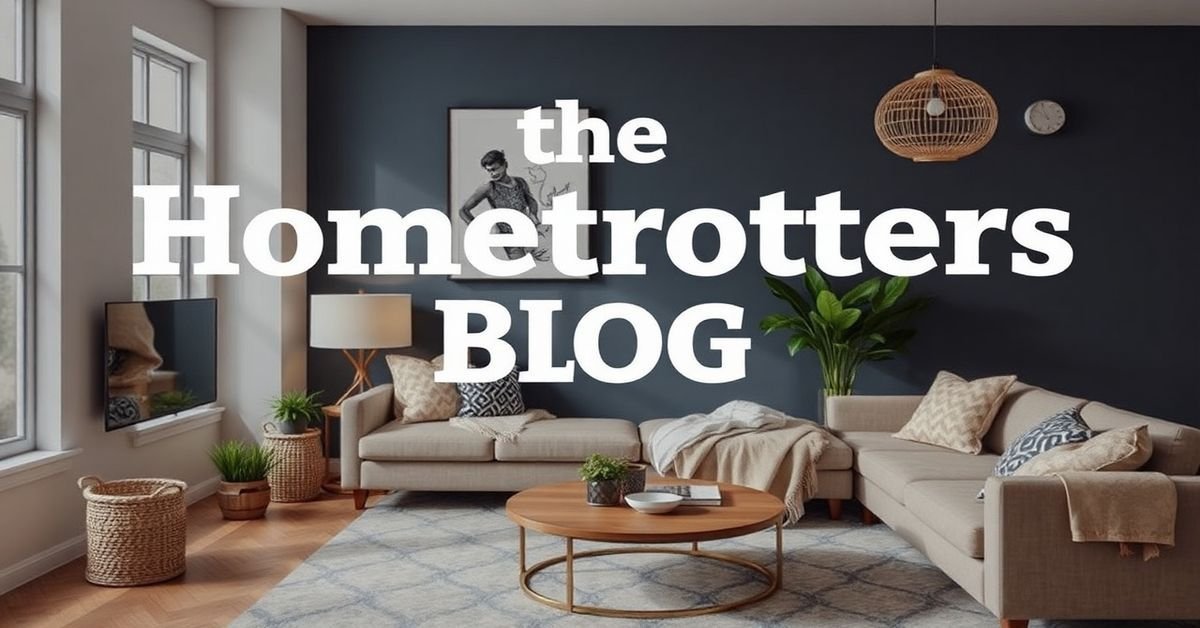
Why thehometrotters blog home ideas Is Not What You Think
Most people assume that home inspiration comes from glossy magazines or high-end designers. But what if the most authentic, transformative ideas are actually born from travel, cultural immersion, and real-life experiences? That’s exactly what thehometrotters blog home ideas proves—this isn’t just another interior design site. It’s a movement that redefines how we think about personal space by blending global aesthetics with practical, lived-in comfort. Forget sterile showrooms and cookie-cutter layouts; thehometrotters blog home ideas thrives on the messy, beautiful chaos of real homes shaped by real journeys.
The Global Influence Behind thehometrotters Blog Home Ideas
What sets thehometrotters blog home ideas apart is its foundation in cultural exploration. Unlike traditional design blogs that promote a single aesthetic—be it minimalist, industrial, or farmhouse—this platform draws inspiration from homes around the world. From a sun-drenched riad in Marrakech to a cozy wooden cabin in the Norwegian fjords, each post tells a story of how environment, climate, and tradition shape living spaces. This global lens challenges the Western-centric view of home design that dominates most mainstream platforms.
Take, for example, the use of natural materials. While many blogs advocate for sleek marble countertops and stainless steel, thehometrotters blog home ideas often highlights clay walls, woven textiles, and reclaimed wood—materials that tell a story and age gracefully. These choices aren’t just about aesthetics; they reflect sustainability and a deep respect for craftsmanship. The blog frequently features homes where functionality meets beauty in ways that mass-market retailers rarely capture.
Moreover, the emotional resonance of these spaces is palpable. A Tokyo micro-apartment isn’t just small—it’s thoughtfully designed to maximize serenity and efficiency. A Mexican courtyard home isn’t just colorful—it’s built around family and community. This narrative-driven approach makes thehometrotters blog home ideas not just visually appealing, but emotionally intelligent.
How thehometrotters Blog Home Ideas Challenges Design Dogma
One of the most radical aspects of thehometrotters blog home ideas is its rejection of design dogma. It doesn’t believe in rules like “never mix patterns” or “stick to a neutral palette.” Instead, it encourages experimentation, layering, and personal storytelling through decor. This philosophy is refreshing in an era where social media often promotes perfection over personality.
Consider the concept of “imperfect beauty.” Many featured homes embrace asymmetry, vintage finds, and handmade objects—elements that mainstream design often dismisses as clutter. But on thehometrotters blog home ideas, these details are celebrated as markers of authenticity. A mismatched set of chairs around a rustic table isn’t a flaw; it’s a conversation starter, a memory keeper.
The blog also challenges the notion that beautiful homes must be expensive. Through clever sourcing, upcycling, and DIY projects, it demonstrates that style doesn’t require a luxury budget. Readers learn how to repurpose travel souvenirs into wall art, use local markets for unique textiles, or create statement pieces from thrifted furniture. This democratization of design empowers people to create spaces that truly reflect their lives—not their bank accounts.
For those interested in sustainable living, the blog’s emphasis on local materials and low-impact decor aligns perfectly with eco-conscious values. It’s a reminder that good design can also be responsible design.
Practical Takeaways from thehometrotters Blog Home Ideas
Beyond inspiration, thehometrotters blog home ideas offers actionable advice for transforming your own space. One recurring theme is the power of sensory design—how lighting, texture, and scent can dramatically alter the mood of a room. Instead of relying on artificial air fresheners, the blog suggests using essential oils, fresh herbs, or handmade candles to create a welcoming atmosphere.
Another key takeaway is the importance of personal artifacts. Rather than filling shelves with generic decor, the blog encourages displaying items collected during travels: a ceramic bowl from Oaxaca, a handwoven rug from Turkey, or a framed map of a favorite city. These objects aren’t just decorative—they’re emotional anchors that ground the space in personal history.
- Use natural light to your advantage—position mirrors to reflect sunlight and brighten dark corners
- Layer textures with throws, cushions, and rugs to add depth and comfort
- Incorporate plants not just for greenery, but for air quality and a sense of calm
- Create a “memory wall” with photos, postcards, and small souvenirs from your travels
The blog also emphasizes flexibility. Homes should evolve as we do. A reading nook today might become a meditation corner tomorrow. thehometrotters blog home ideas teaches that adaptability is a hallmark of thoughtful design.
Why thehometrotters Blog Home Ideas Resonates in a Post-Pandemic World
In the wake of global lockdowns, people have reevaluated their relationship with home. No longer just a place to sleep, it’s now a workspace, gym, classroom, and sanctuary. thehometrotters blog home ideas speaks directly to this shift by promoting multifunctional, emotionally rich environments.
The blog’s emphasis on comfort, connection, and cultural identity feels especially relevant. As remote work blurs the lines between professional and personal life, the need for spaces that nurture both productivity and well-being has never been greater. thehometrotters blog home ideas offers solutions that go beyond aesthetics—they address the psychological need for belonging and meaning.
Moreover, the rise of digital nomadism has made travel-inspired design more accessible. Even if you can’t visit Bali or Lisbon, you can bring their essence into your home through color palettes, materials, and layout ideas featured on the blog. It’s a form of armchair travel that enriches daily life.
For readers seeking deeper engagement with their environment, thehometrotters blog home ideas provides a roadmap to creating a home that’s not just beautiful, but deeply personal and globally informed.
Final Thoughts: The Future of Home Inspiration
The influence of thehometrotters blog home ideas extends far beyond decor trends. It represents a broader cultural shift toward authenticity, sustainability, and global awareness in how we live. By rejecting perfection and embracing impermanence, it offers a more inclusive and human-centered approach to home design.
Whether you’re renovating a studio apartment or refreshing a single room, the principles found in thehometrotters blog home ideas can guide you toward a space that feels truly yours. It’s not about copying a look—it’s about discovering your own style through the lens of the world.
- Start small: Introduce one global element, like a Turkish kilim or Japanese shoji screen
- Curate, don’t accumulate: Choose decor that tells a story
- Prioritize comfort and function alongside beauty
- Let your home evolve as you do—don’t fear change
For more insights on mindful living and design, explore lifestyle inspiration at Mindscroll. And if you’re curious about how travel shapes creativity, check out this National Geographic article on travel and the brain.