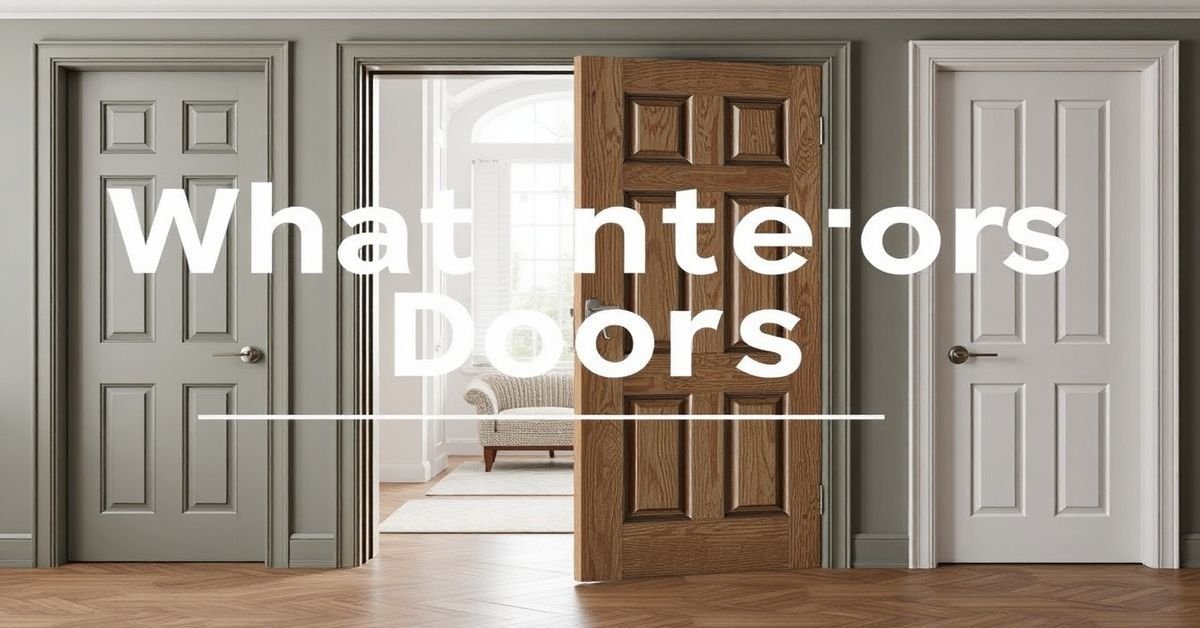
Did you know that over 68% of homeowners now consider interior doors a central design feature—not just a functional necessity? Gone are the days when doors were merely painted slabs blending into walls. Today, they’re statement pieces, and understanding what interior doors are trending mintpaldecor can dramatically elevate your space. From minimalist flush panels to textured wood grains and bold geometric patterns, the latest trends reflect a fusion of aesthetics, sustainability, and smart technology. Whether you’re renovating or building anew, aligning with current styles ensures your home feels cohesive, modern, and inviting.
What Interior Doors Are Trending mintpaldecor: The Rise of Minimalist Flush Doors
One of the most dominant trends in modern interiors is the shift toward minimalist flush doors. These sleek, seamless designs eliminate visible hardware and moldings, creating a smooth, uninterrupted surface that enhances spatial flow. Especially popular in open-plan living areas, flush doors contribute to a clean, uncluttered aesthetic that defines contemporary homes. What interior doors are trending mintpaldecor often includes matte black or soft gray finishes, which complement neutral palettes while adding subtle sophistication.
Manufacturers are now offering flush doors in eco-friendly materials like FSC-certified wood and recycled composites, appealing to environmentally conscious buyers. The absence of ornate details also makes them ideal for small spaces, where visual simplicity maximizes perceived room size. Pair these doors with recessed handles or magnetic closures for a truly streamlined look. For inspiration on integrating such designs, visit our guide to interior design trends.
Textured and Natural Wood Finishes Dominate 2024
While minimalism reigns, there’s a growing appetite for warmth and texture—leading to the resurgence of natural wood interior doors. Unlike the glossy, high-sheen finishes of the past, today’s wood doors emphasize grain variation, knots, and organic imperfections. Oak, walnut, and ash are particularly favored, often treated with oil or matte varnish to preserve their raw beauty. These finishes add depth and character, making each door feel like a unique piece of craftsmanship.
Designers are pairing wood doors with contrasting wall colors—deep greens, warm terracottas, or soft creams—to create focal points within rooms. The tactile quality of these doors also enhances sensory experience, especially in bedrooms and studies where comfort is key. Sustainability plays a role too: many brands now source reclaimed or rapidly renewable wood, aligning with green building standards. This trend reflects a broader movement toward biophilic design, where natural elements foster well-being.
Bold Colors and Two-Tone Designs Make a Statement
Neutral tones still dominate, but bold-colored interior doors are making waves in 2024. Think deep navy, forest green, or even burnt orange—hues that inject personality without overwhelming a space. These vibrant doors work especially well in children’s rooms, home offices, or as accent features in otherwise monochromatic interiors. Two-tone designs, where the door frame contrasts with the panel, are also gaining traction, adding architectural interest and visual rhythm.
For example, a white frame with a black door creates a modern gallery-like effect, while a sage green door in a white frame evokes calm and serenity. This trend allows homeowners to experiment with color in a reversible way—unlike wall paint, doors can be easily swapped during future updates. When choosing bold hues, consider lighting: natural light enhances richness, while artificial lighting can alter perceived color. Always test samples in your space before committing.
Smart and Soundproof Doors for Modern Living
As homes become multifunctional—serving as offices, gyms, and entertainment hubs—the demand for functional interior doors has surged. Soundproof doors with integrated insulation are now essential in urban homes or shared living spaces. These doors use dense cores, acoustic seals, and specialized frames to reduce noise transmission by up to 40 decibels, creating peaceful sanctuaries within busy homes.
Smart technology is also entering the door market. Models with built-in sensors, automatic closing mechanisms, or even biometric access are emerging, particularly in high-end renovations. While still niche, these innovations reflect a shift toward integrated living environments. For tech-savvy homeowners, combining smart features with aesthetic design ensures both convenience and style. Learn more about smart home integration at our smart home solutions page.
Sustainable Materials and Customization Options
Sustainability is no longer optional—it’s expected. Consumers are increasingly choosing doors made from recycled, renewable, or low-impact materials. Bamboo, for instance, grows rapidly and offers a durable, stylish alternative to traditional hardwoods. Similarly, doors with recycled aluminum frames or reclaimed wood cores are gaining popularity for their eco-credentials and unique textures.
Customization is another key trend. Homeowners now expect options in size, finish, hardware, and even digital printing—allowing for personalized patterns or artwork on door surfaces. This level of personalization supports individual expression and ensures doors complement specific design schemes. Whether you prefer a rustic barn door or a futuristic lacquered panel, today’s manufacturers offer unprecedented flexibility. For authoritative insights on sustainable building materials, refer to the U.S. Environmental Protection Agency.
- Flush doors with hidden hinges and magnetic latches
- Natural wood finishes with visible grain and matte sealants
- Bold-colored doors in deep blues, greens, and earth tones
- Soundproof cores with acoustic insulation
- Smart doors with motion sensors and automated closing
- Assess your space’s lighting and color scheme
- Choose materials based on durability and sustainability
- Prioritize functionality—especially in multi-use rooms
- Experiment with finishes and hardware for visual impact
- Consult a designer to ensure cohesive integration