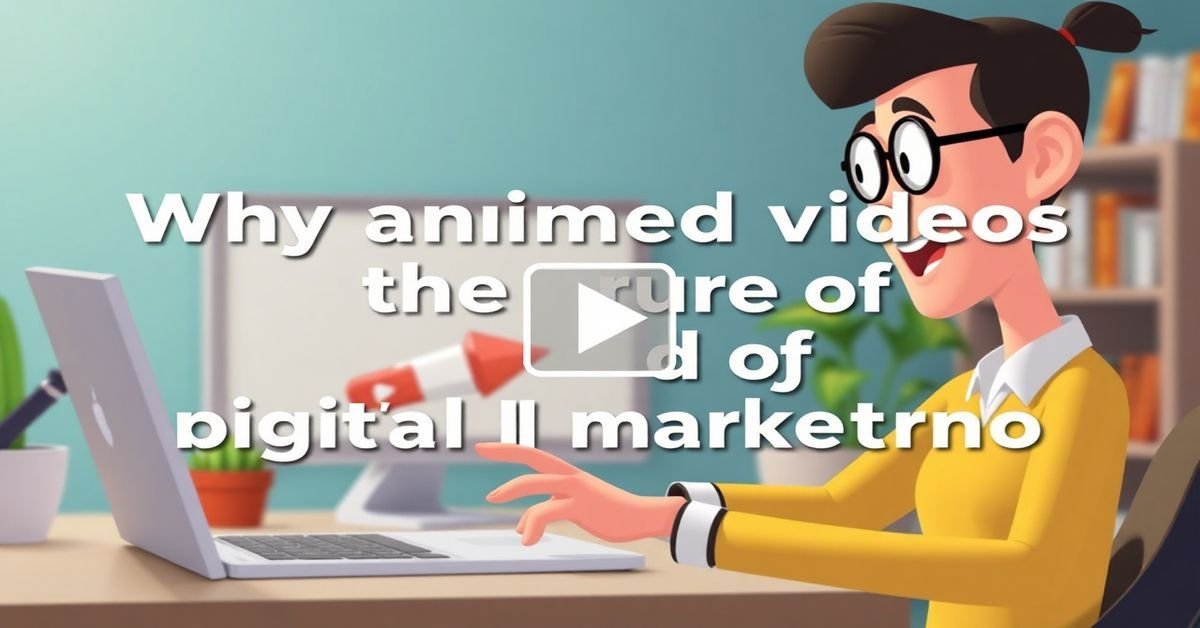
Have you ever scrolled through your feed and stopped—not because of a flashy ad, but because of a simple, colorful animation that explained something complex in seconds? That’s the quiet power of animation in action. More than just eye candy, animated videos are reshaping how brands connect with audiences, and understanding why animated videos are the future of digital marketing is no longer optional—it’s essential. With attention spans shrinking and content saturation rising, businesses need tools that cut through the noise. Animated videos do exactly that, blending storytelling, visual appeal, and clarity in a way few other mediums can match.
Why Animated Videos Capture Attention Instantly
In a digital landscape flooded with static images, text-heavy posts, and repetitive ads, animation stands out by design. The human brain processes visual information 60,000 times faster than text, and animated content leverages this by combining motion, color, and sound to create immediate engagement. Whether it’s a 15-second social media clip or a two-minute product explainer, animated videos grab attention within the first three seconds—a critical window in today’s fast-paced online environment. Unlike live-action videos, which require actors, locations, and production crews, animated videos offer creative freedom. You can visualize abstract concepts like data encryption or customer journey mapping without physical constraints. This flexibility allows brands to communicate complex ideas in digestible, memorable ways. For example, a fintech startup can use animated characters to walk users through blockchain technology, making an intimidating topic feel approachable. The result? Higher retention rates and stronger emotional connections. Platforms like Google’s Think with Google confirm that video content, especially animated formats, increases dwell time and conversion rates across industries.
How Animation Simplifies Complex Messages
One of the most powerful advantages of animated videos is their ability to distill complicated information into clear, engaging narratives. Whether you’re explaining software functionality, a new healthcare protocol, or a sustainability initiative, animation transforms abstract ideas into visual stories. This clarity is crucial in digital marketing, where confusion leads to drop-offs. Animated explainer videos, for instance, use metaphors, icons, and step-by-step visuals to guide viewers through a process. A SaaS company might use a friendly robot character to demonstrate how their platform integrates with existing tools, reducing cognitive load and increasing comprehension. Unlike text-based content, which relies on the reader’s prior knowledge, animation meets audiences where they are. It’s inclusive—accessible to non-native speakers, people with reading difficulties, and younger demographics who prefer visual learning. Moreover, animation allows for consistent branding. Colors, fonts, and character designs can align perfectly with your brand identity, reinforcing recognition across campaigns. This level of control is difficult to achieve with live-action footage, which often requires post-production edits to match brand guidelines. By simplifying complexity, animated videos not only inform but also build trust—making them indispensable in educational and B2B marketing.
Real-World Example: Healthcare Communication
Consider how the World Health Organization (WHO) uses animated videos to communicate public health guidelines during crises. Instead of dense reports, they deploy short animations showing handwashing techniques or vaccine safety, reaching millions across language barriers. This demonstrates how animation bridges gaps in understanding, especially in high-stakes scenarios.
Cost-Effectiveness and Scalability of Animated Content
While high-end live-action videos can cost tens of thousands of dollars, animated videos offer a more budget-friendly alternative without sacrificing quality. Once a template or style is established, creating variations becomes significantly cheaper and faster. Need a version in Spanish? Swap the voiceover. Want to highlight a new feature? Update the script and tweak the visuals. This scalability makes animation ideal for global campaigns and A/B testing. Small businesses and startups, in particular, benefit from this efficiency. Instead of investing in multiple photo shoots, they can produce a library of animated content that evolves with their offerings. Additionally, animated videos require less logistical coordination—no weather delays, no actor scheduling conflicts. Production timelines are more predictable, allowing marketers to align releases with product launches or seasonal campaigns. Platforms like Mindscroll’s video production services specialize in creating high-impact animated content tailored to business goals, proving that professional quality doesn’t require a Hollywood budget. Over time, the return on investment becomes clear: lower production costs, higher engagement, and reusable assets that adapt to new markets and messages.
Emotional Connection Through Storytelling
Great marketing doesn’t just inform—it resonates. Animated videos excel at building emotional connections through character-driven storytelling. Whether it’s a relatable protagonist overcoming a challenge or a whimsical world that mirrors real-life struggles, animation taps into universal emotions like hope, curiosity, and empathy. These emotional hooks increase shareability and brand recall. For instance, a nonprofit might use an animated short to depict a child’s journey out of poverty, making abstract statistics feel personal and urgent. Viewers don’t just see data—they feel it. This emotional depth is harder to achieve with static infographics or text-based appeals. Furthermore, animation allows for tone control. A healthcare brand can use soft pastels and gentle movements to convey care and safety, while a tech startup might opt for bold colors and dynamic transitions to reflect innovation. This versatility ensures the message aligns with the brand’s personality. When audiences connect emotionally, they’re more likely to take action—whether that’s signing up, sharing, or purchasing. In this way, why animated videos are the future of digital marketing becomes evident: they don’t just sell products; they build relationships.
Future-Proofing Your Marketing Strategy
As digital platforms evolve, so do user expectations. Short-form video, AR filters, and interactive content are becoming standard. Animated videos are uniquely positioned to adapt to these trends. They can be easily reformatted for TikTok, Instagram Reels, or YouTube Shorts without losing impact. They integrate seamlessly with emerging technologies like augmented reality, where animated characters can appear in real-world environments via smartphone cameras. Brands that invest in animation today are building a foundation for tomorrow’s marketing landscape. Moreover, search engines and social algorithms increasingly favor video content. Google’s algorithm prioritizes pages with embedded videos, and platforms like Facebook boost video reach organically. By incorporating animated videos into your strategy, you’re not just keeping up—you’re staying ahead. To explore how animation can elevate your brand, visit Mindscroll’s contact page and start a conversation about your next campaign. The future of digital marketing isn’t just visual—it’s animated, engaging, and impossible to ignore.